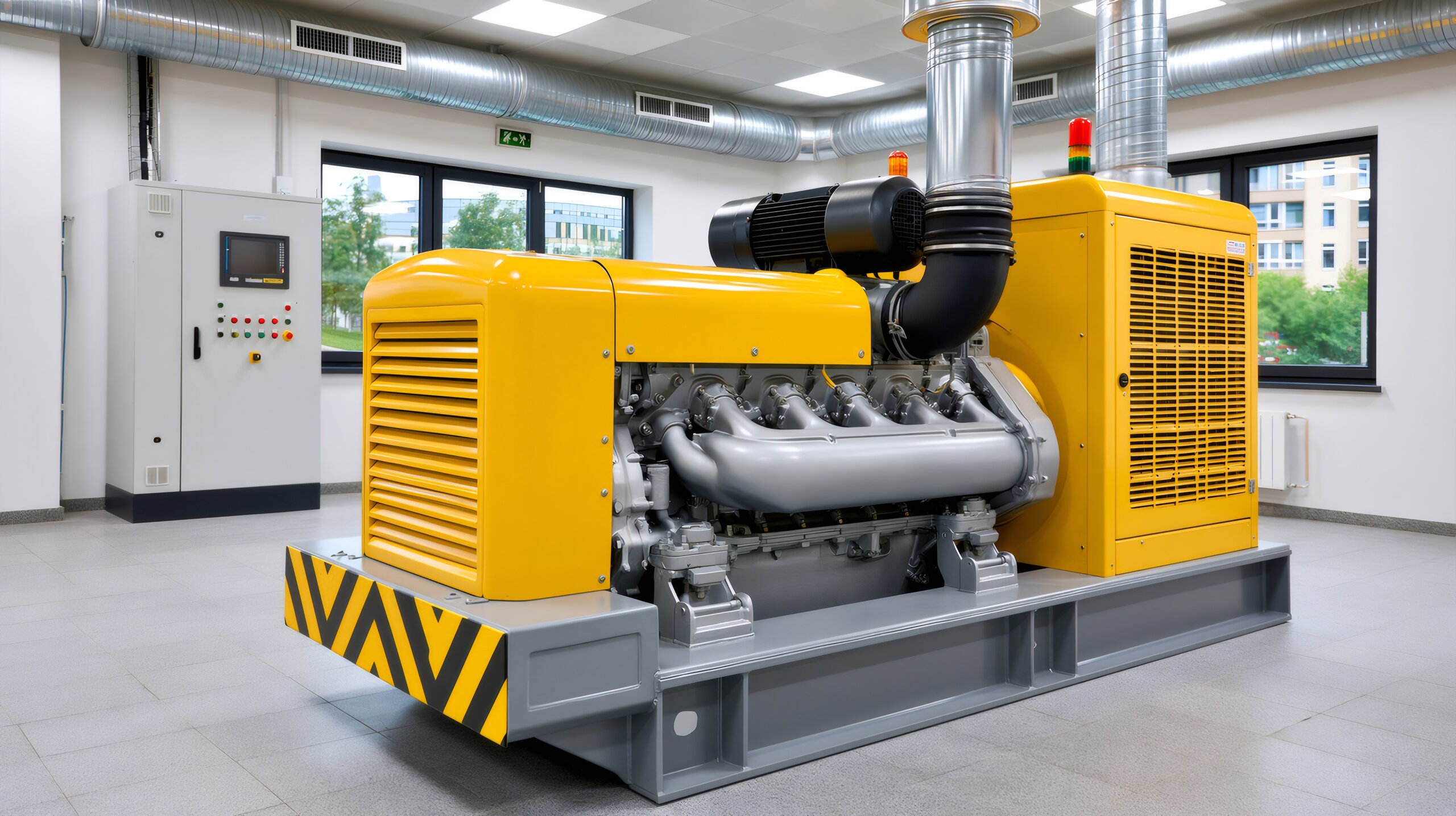
Reliability is not just about having a generator; it’s about system design
Allegiant Generator Services works with commercial and industrial facilities where power reliability is not optional. In many environments, a single standby generator may be sufficient. In others, a single unit creates unacceptable risk.
As facilities grow and uptime becomes more critical, many leaders begin asking:
Is one generator enough, or do we need redundancy?
The answer depends on operational risk, industry standards, and tolerance for downtime.
What Is a Redundant Generator System?
A redundant generator system includes multiple units configured to support the same facility load. The most common architecture is called N+1.
- “N” represents the number of generators required to carry the full load.
- “+1” represents an additional backup unit in case one fails.
For example:
If your facility requires two generators to support full load, an N+1 configuration would include three units. If one fails, the system continues operating.
Redundancy eliminates single points of failure.
When a Single Generator May Be Enough
Many commercial facilities operate successfully with a single properly sized generator, especially if:
- Downtime risk is manageable
- Operations are not life-critical
- Short outages are tolerable
- Fuel supply is reliable
- Maintenance is consistent
For light commercial or non-critical industrial environments, a single generator may be cost-effective and practical.
However, reliance on one unit introduces vulnerability.
When Redundancy Becomes Necessary
Redundant generator systems are often required in:
- Hospitals and healthcare facilities
- Data centers
- Critical manufacturing operations
- Oil and gas facilities
- Multi-tenant commercial buildings
- Infrastructure and public utilities
In these environments, downtime can mean:
- Patient safety risk
- Data loss
- Environmental hazards
- Contract penalties
- Regulatory violations
- Severe financial loss
When uptime equals operational survival, redundancy shifts from optional to strategic.
Parallel Generator Systems Explained
Modern redundant systems often use parallel generator configurations, in which multiple units operate together and share the load.
Benefits include:
- Scalable power output
- Improved fuel efficiency at partial loads
- Easier maintenance rotation
- Greater reliability
- Future expansion flexibility
Parallel systems also allow generators to be serviced individually while others remain operational.
This design significantly improves uptime resilience.
The Cost vs. Risk Conversation
Redundancy increases upfront investment. However, evaluating cost without considering risk exposure creates an incomplete picture.
When analyzing redundancy, consider:
- Revenue impact of downtime
- Compliance requirements
- Insurance implications
- Contractual service obligations
- Reputation risk
- Growth plans
In many cases, the cost of a single major outage exceeds the cost difference between single-unit and redundant systems.
The decision should be based on risk tolerance, not just equipment price.
Does Your Facility Truly Require Redundancy?
Many facilities assume they need redundancy when they may simply need better load planning. Others assume one generator is enough when expansion or increased load demands say otherwise.
A proper evaluation includes:
- Critical vs. non-critical load separation
- Load analysis under peak demand
- Runtime modeling
- Failure point assessment
- Infrastructure review
- Transfer switch architecture
Redundancy is not just about adding equipment. It is about building a system that aligns with operational goals.
How Allegiant Helps Facilities Design the Right Strategy
At Allegiant Generator Services, we evaluate both technical requirements and operational risk.
Our approach includes:
- Generator capacity assessment
- Infrastructure review
- Parallel system feasibility
- Runtime analysis
- Expansion forecasting
- Compliance considerations
The goal is not to oversize or overbuild. It is to design a system that matches your facility’s real-world risk profile.
The Bottom Line
A generator provides backup power. A redundant system provides confidence.
As facilities prepare for peak summer demand and long-term growth, June is the right time to evaluate whether your current backup architecture truly protects your operations.
Allegiant Generator Services can help determine whether a single unit remains sufficient or if redundancy is the next step to strengthen your power resilience.