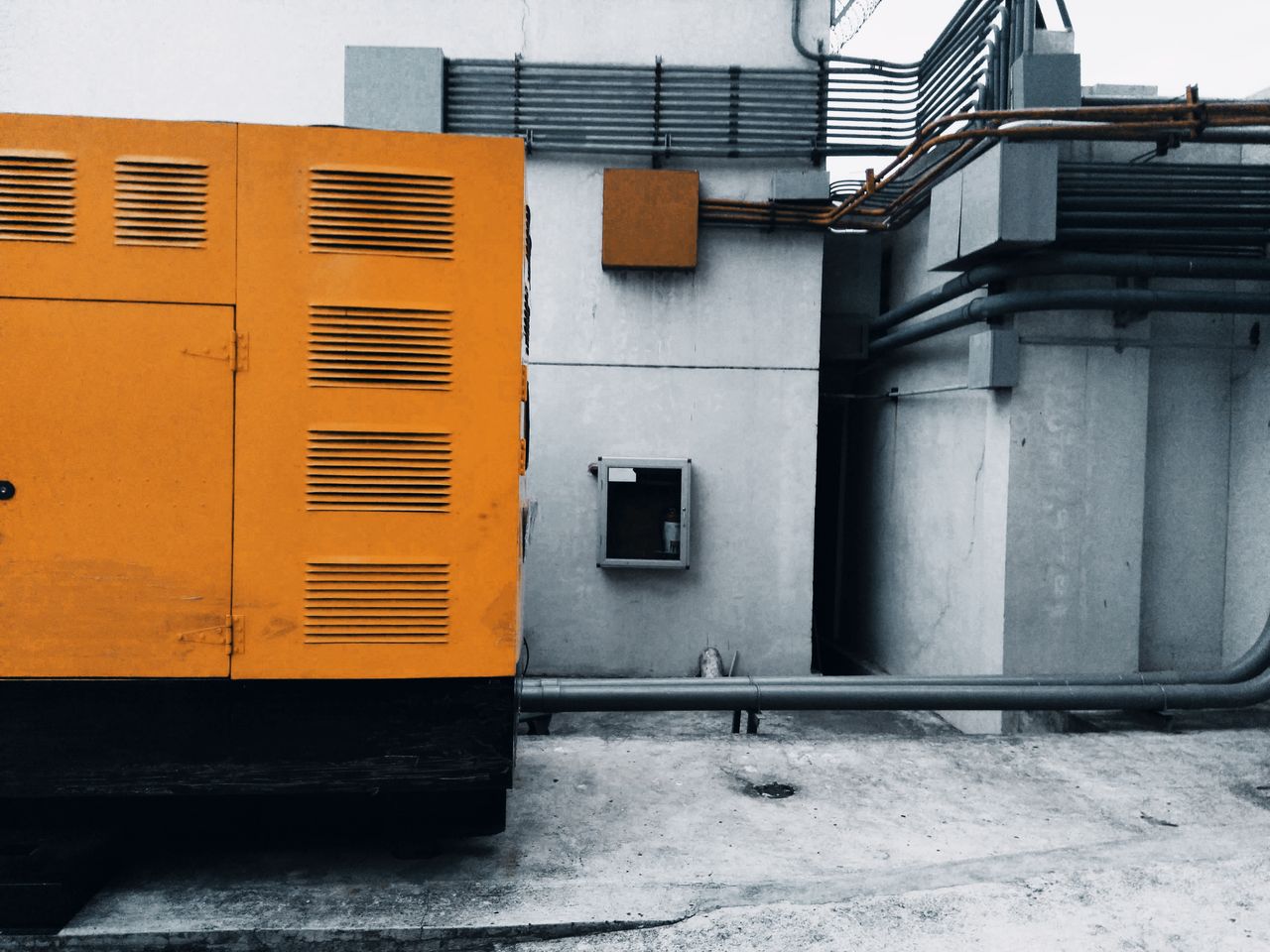
After months of Texas heat, September is a smart time for facility managers to take a closer look at one of the most important starting components in a backup power system: the battery.
A commercial generator can have clean fuel, proper fluid levels, and no obvious mechanical problems and still fail during an outage if the starting battery or battery charger cannot do its job. Summer heat can be hard on batteries, and long periods of standby operation can let a developing problem go unnoticed.
Quick answer: After a long Texas summer, inspect and test commercial generator batteries as part of a complete preventative maintenance visit. Facility teams should check battery condition, terminals, cables, charger operation, system alarms, and starting performance rather than relying on appearance alone.
Why Can Summer Heat Be Hard on Generator Batteries?
High temperatures can accelerate battery wear and put additional stress on charging systems. A battery that performed normally earlier in the year may be less dependable after months of extreme heat.
That matters because standby generators spend much of their life waiting. If a battery gradually weakens between service visits, the first noticeable symptom may be slow cranking, or no start at all, when utility power fails.
September creates a natural maintenance checkpoint between peak Texas summer temperatures and the cooler months ahead.
What Should Be Checked During a Generator Battery Inspection?
A professional commercial generator inspection should go beyond looking for visible corrosion.
Battery condition, terminals, cable connections, charger performance, starting operation, and active system alarms should all be evaluated. Any history of slow starts, repeated battery alarms, or charger faults deserves attention before another outage occurs.
Allegiant Generator Services provides battery and battery-charger replacement as part of its generator repair and inspection services. AGS also works on generators, engines, control panels, fuel systems, cooling systems, and automatic transfer switch units.
Can Remote Monitoring Detect Generator Battery Problems?
Remote generator monitoring provides an additional layer of visibility between scheduled maintenance visits.
AGS provides remote monitoring solutions for on-site power-generation equipment that can help identify low-battery conditions and battery-charger malfunctions, along with block-heater failures, low-coolant shutdown alarms, insufficient fuel, operator errors, and automatic transfer switch malfunctions.
For hospitals, universities, commercial properties, industrial facilities, and other organizations that depend on reliable backup power, identifying a battery problem early can prevent a minor maintenance issue from becoming an emergency generator failure.
Battery Testing Is Only One Part of Generator Readiness
A healthy battery is essential, but it does not guarantee that the entire generator system is ready.
AGS’s preventative maintenance program uses an 80-point inspection covering the engine lubrication, cooling, air intake, exhaust, fuel and electrical systems, along with the generator and distribution system and a running inspection.
That complete-system approach matters because a generator that starts successfully can still have fuel, cooling, electrical, or transfer-system problems that affect performance once it is under demand.
Schedule a September Commercial Generator Inspection
If your commercial generator spent another Texas summer exposed to extreme temperatures, September is a good time to make sure the battery and charging system are still dependable.
Allegiant Generator Services provides preventative maintenance, repairs and inspections, diesel fuel polishing, load bank testing, remote monitoring, and 24/7 service options for commercial backup power systems.
Contact Allegiant Generator Services to schedule commercial generator service or request a quote.
Allegiant Generator Services
Address: 22057 Morton Ranch Rd, Katy, TX 77449
Phone: (832) 499-1866
Email: [email protected]
Website: AGS-NA.com