For many facility managers, October means budget season. Departments review 2026 expenses, plan capital needs, and decide which maintenance priorities need funding in 2027.
Your backup power system should be part of that conversation.
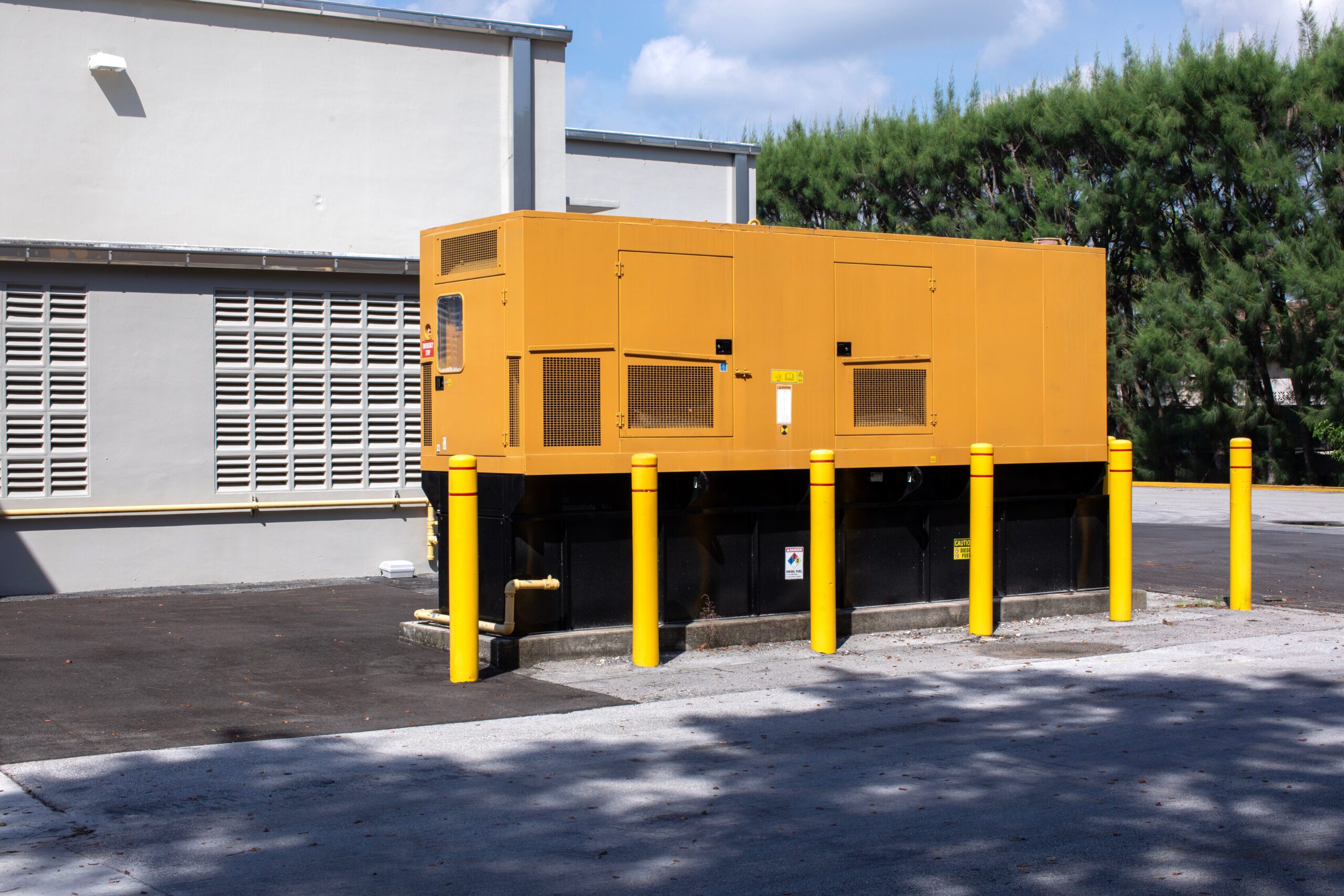
A commercial generator may sit quietly for much of the year, but keeping it dependable requires ongoing inspections, testing, fuel management, monitoring, and occasional repairs. Building those needs into the budget now is much easier than searching for emergency funds after a generator failure.
Quick answer: A commercial generator maintenance budget should consider scheduled preventative maintenance, load bank testing when needed, diesel fuel analysis or polishing, battery and charger service, remote monitoring, anticipated repairs, applicable compliance requirements, and contingency funds for unexpected generator problems.
Start With Scheduled Preventative Maintenance
The foundation of an annual generator budget should be regularly scheduled preventative maintenance.
AGS’s preventative maintenance program includes an 80-point inspection covering engine lubrication, cooling, air intake, exhaust, fuel and electrical systems, the generator and distribution system, running inspection, and additional checks.
Consistent maintenance can identify potential failures early, prevent damage from deferred maintenance, reduce costly downtime, and support applicable NFPA, TCEQ, and NEC requirements.
Instead of treating maintenance as an unexpected repair expense, facilities can plan for it as a recurring cost of protecting business continuity.
Budget for Generator Testing, Not Just Inspections
A generator can look good during a visual inspection and still struggle when it has to support a real electrical load.
Load bank testing lets technicians evaluate generator performance in a controlled environment and spot potential problems before an outage. AGS offers load bank testing as part of preventative maintenance or as a standalone service, with load banks ranging from 100 kW to 2,000 kW.
Some facilities may also have testing requirements tied to applicable codes, regulations, or insurance standards, so review this during annual budgeting.
Include Diesel Fuel Quality in the Budget
Facilities with diesel generators should also consider stored fuel.
AGS notes that diesel fuel can degrade when stored for extended periods and provides regular fuel analysis, heavy-duty screening, high-capacity filtration, and fuel catalyst and microbiocide services.
Fuel-quality service can help address clogged filters, rough idling, reduced efficiency, and other generator-performance concerns.
Plan for Batteries, Chargers, Repairs, and Aging Equipment
You can’t predict every generator expense.
Batteries, battery chargers, radiators, pumps, control panels, leaks, generator ends, and engine components may eventually need repair or replacement.
AGS’s repair capabilities include battery and charger replacement, radiator repairs or replacements, fuel and oil pumps, control panels, fuel, oil and coolant leaks, generator-end repairs, and diesel and natural-gas engine overhauls.
Reviewing equipment age, recent service reports, recurring alarms, and previously deferred repairs can help determine where additional funding may be necessary next year.
Consider Remote Monitoring for 2027
Organizations with multiple facilities, remote equipment, or limited on-site staffing may also want to include remote generator monitoring in future plans.
Remote monitoring can help flag issues such as low batteries, charger failures, low-coolant shutdowns, insufficient fuel, operator errors, and automatic transfer switch malfunctions.
Catching those issues earlier may prevent an unnoticed problem from becoming an emergency repair.
Build a Better Backup Power Plan for 2027
No single generator-maintenance budget fits every facility. Equipment age, generator size, runtime, fuel type, regulatory requirements, facility demand, service history, and the condition of the existing system all matter.
October is a good time to review 2026 service reports, address outstanding repairs, confirm upcoming testing needs, and create a realistic maintenance plan for 2027.
Allegiant Generator Services works with hospitals, universities, commercial properties, industrial facilities, and other large organizations to maintain, repair, test, monitor, and support backup generator systems.
Contact Allegiant Generator Services to review your generator-service needs and start planning for 2027.
Allegiant Generator Services
Address: 22057 Morton Ranch Rd, Katy, TX 77449
Phone: (832) 499-1866
Email: [email protected]
Website: AGS-NA.com