Small oversights can lead to major failures
Most generator failures don’t happen because of catastrophic events; they happen because of small, avoidable mistakes. In Texas, where generators are pushed hard by heat, dust, and extreme weather, those mistakes can quickly turn into expensive downtime.
Understanding common generator maintenance mistakes, placement errors, and planning oversights can help businesses protect their operations and avoid unnecessary failures.
- Poor generator placement
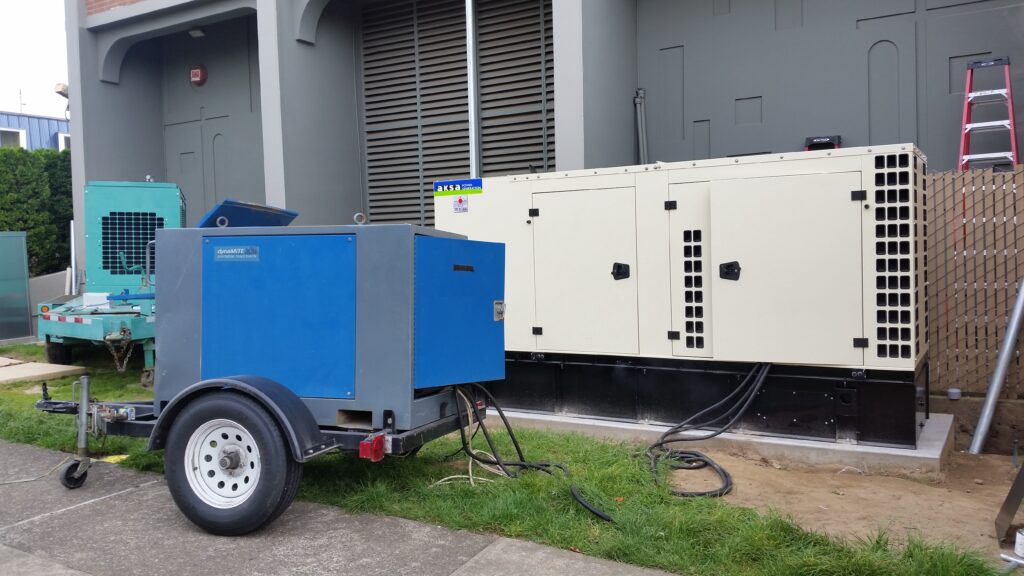
One of the most common generator placement mistakes is installing equipment in areas with limited airflow, poor drainage, or restricted service access. Improper placement leads to overheating, water intrusion, and delayed repairs.
Generators should be placed where they have:
- Proper ventilation and clearance
- Protection from flooding and debris
- Easy access for maintenance and refueling
Placement decisions made during construction or expansion can impact reliability for years.
- Skipping routine maintenance
Skipping or delaying maintenance is one of the fastest ways to shorten your generator’s lifespan. Filters clog, fluids degrade, and small mechanical issues go unnoticed until failure occurs.
Consistent service prevents:
- Unexpected shutdowns
- Fuel inefficiency
- Excessive engine wear
- Emergency repair costs
A proactive maintenance schedule is far less expensive than reactive repair.
- Ignoring fuel system health
Fuel contamination is one of the most overlooked backup power pitfalls. Water, sediment, and microbial growth silently damage fuel systems and cause startup failures.
Fuel systems should be inspected regularly, especially before peak outage seasons.
- Failing to test under real load
A generator that runs during a no-load test may still fail during an outage. Without load bank testing, problems like overheating, voltage instability, and wet stacking go undetected.
Regular testing confirms your system can handle real demand, not just start up.
- Assuming “working” means “ready.”
Just because a generator hasn’t failed recently doesn’t mean it’s prepared for the next outage. Load changes, facility expansions, and aging equipment all affect performance.
Periodic system reviews ensure your generator still matches your facility’s needs.
Avoiding costly generator mistakes
Most generator failures are preventable with proper planning, maintenance, and testing. Avoiding these mistakes helps businesses reduce downtime, improve safety, and extend equipment life.
If you’re unsure about your current setup, March is the perfect time to review it before disaster season arrives.
Protect your power before it’s tested.
Reach out to American Generator Services to identify risks, correct common mistakes, and keep your backup power system reliable year-round.